
County’s soft touch is attributed to the data center being ‘our largest customer, and we have to be partners.’
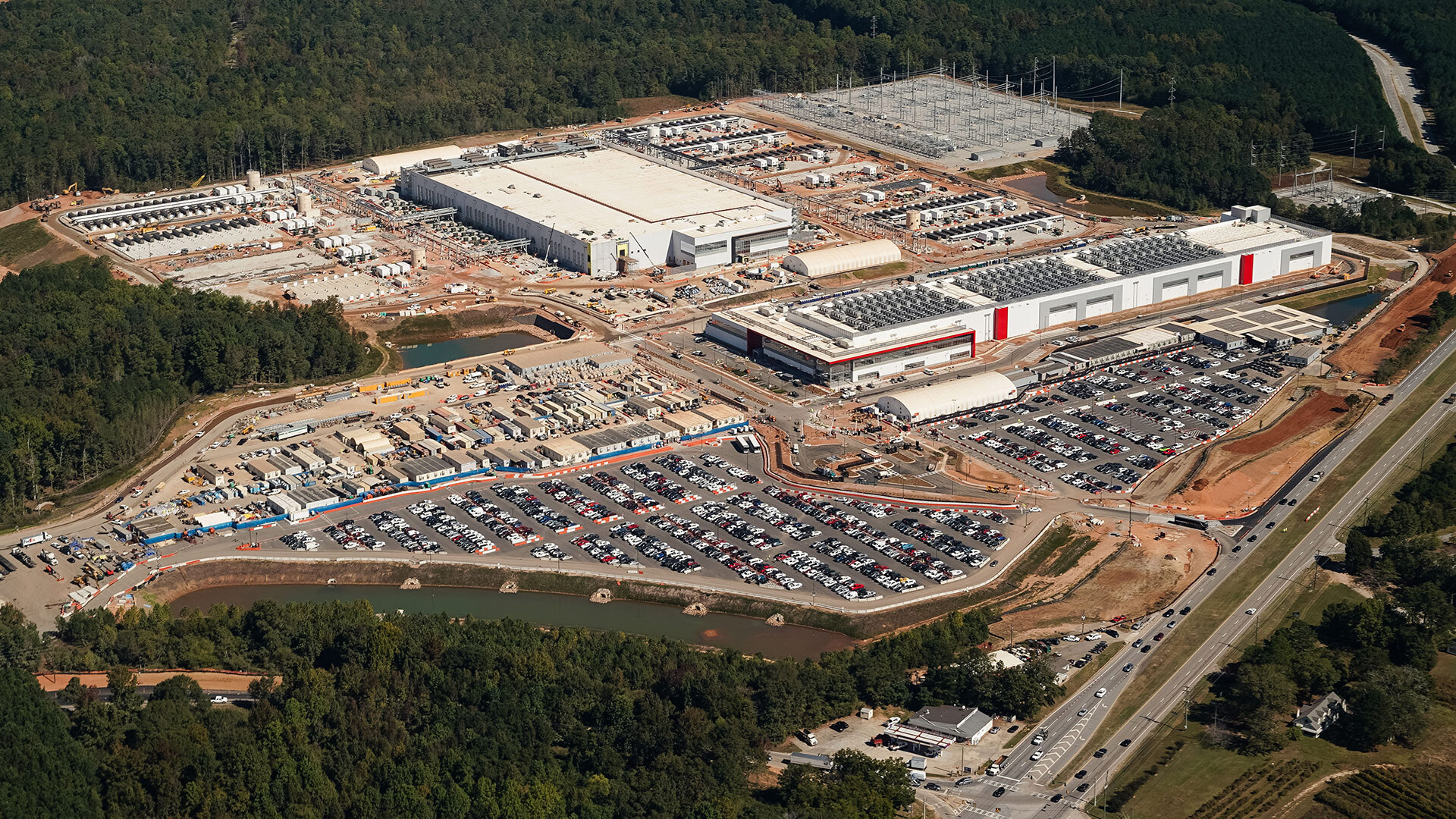
Fayette County, Georgia, was telling residents to stop watering their lawns to conserve water. The request came after homeowners in a nearby subdivision reported unusually low water pressure, but when the county investigated, it found the cause: a data center campus 20 miles south of Atlanta had been drawing roughly 29 million gallons through two water connections the county didn’t know existed, Politico reported Saturday.
Quality Technology Services (QTS), the Blackstone-owned developer behind the 615-acre Fayetteville campus, owed $147,474 in retroactive charges for the unmetered consumption, but the county didn’t fine the company.
Go deeper with TH Premium: AI and data centers
- Photonics and high-speed data movement is the next big AI bottleneck
- The data center cooling state of play
- Massive AI data center buildouts are squeezing energy supplies
- Ultra Ethernet: The data center interconnection of tomorrow
The QTS Fayetteville (“Project Excalibur”) campus is among the largest data center developments in the country, currently comprising 13 buildings totaling approximately 6.2 million square feet, with plans for up to 16 buildings at full buildout. QTS has said it expects to invest up to $1 billion in the project, which began construction in 2023 and isn’t expected to be completed for another three to five years.
QTS told Politico the 29 million gallons were consumed during temporary construction activities, including concrete work, dust control, and site preparation. The company markets a “closed-loop” cooling system for its data centers, which recirculates the same water rather than drawing from the municipal supply. Once operational, QTS said its facilities would only require water for domestic needs like bathrooms and kitchens.
However, the discrepancy between QTS’s stated and actual water usage remained undetected for months, with Politico reporting that the county’s water system director, Vanessa Tigert, attributed the oversight to a procedural error during the county’s transition to a cloud-based metering system.