
AI serves as the “brain” within the ExpoTech AI-generated data centers, optimizing performance and managing intense workloads that exceed human capability. It drives efficiency by managing massive GPU clusters, implementing predictive maintenance, reducing energy consumption through smart cooling, and ensuring high-speed data flow for continuous AI training.
AI-driven predictive analytics is in the process of revolutionizing data center management. By harnessing the power of artificial intelligence, ExpoTech’s AI-Generated Data Centers can now optimize performance, streamline operations, and accurately forecast potential issues. This advanced approach involves utilizing sophisticated algorithms and machine learning models to analyze historical data, identify patterns, and predict future events.
AI and predictive maintenance
In the context of artificial intelligence in data center management, AI-driven predictive analytics is prominently employed for predictive maintenance. By analyzing data from various components and systems, AI algorithms can predict potential equipment failures before they occur.
This proactive approach minimizes downtime, reduces the risk of critical failures, and extends the lifespan of assets. Additionally, AI facilitates performance optimization by continuously assessing and adjusting operating parameters to achieve optimal efficiency.
One key advantage of AI-driven predictive analytics is its ability to provide real-time insights into the health and performance of data center infrastructure. Automated monitoring systems can alert data center operators to anomalies and irregularities almost as soon as they occur. AI-driven data center management can improve operational efficiency by up to 30% through predictive maintenance and automated workflows. Remedying issues promptly not only enhances the reliability of operations but also contributes to energy efficiency and sustainability goals.

From reactive to proactive

Overall, AI-driven predictive analytics empowers data center managers to move from a reactive to a proactive maintenance model. This helps to reduce costs, improve efficiency, and ensure the seamless functioning of critical infrastructure.
As AI-driven predictive analytics continues to evolve, its ability to predict and hence prevent issues in data centers will also improve. It will therefore enable data center managers to achieve ever higher levels of operational excellence.
Automated security measures
Automated security measures are integral to fortifying data center defenses in the face of evolving cyber threats. Automating threat detection, response, and mitigation strategies.
significantly enhances the overall security posture of modern data centers. Here are four specific examples of what that can mean in practice.
As AI-driven predictive analytics continues to evolve, its ability to predict and hence prevent issues in data centers will also improve. It will therefore enable data center managers to achieve ever higher levels of operational excellence.

Improved anomaly detection
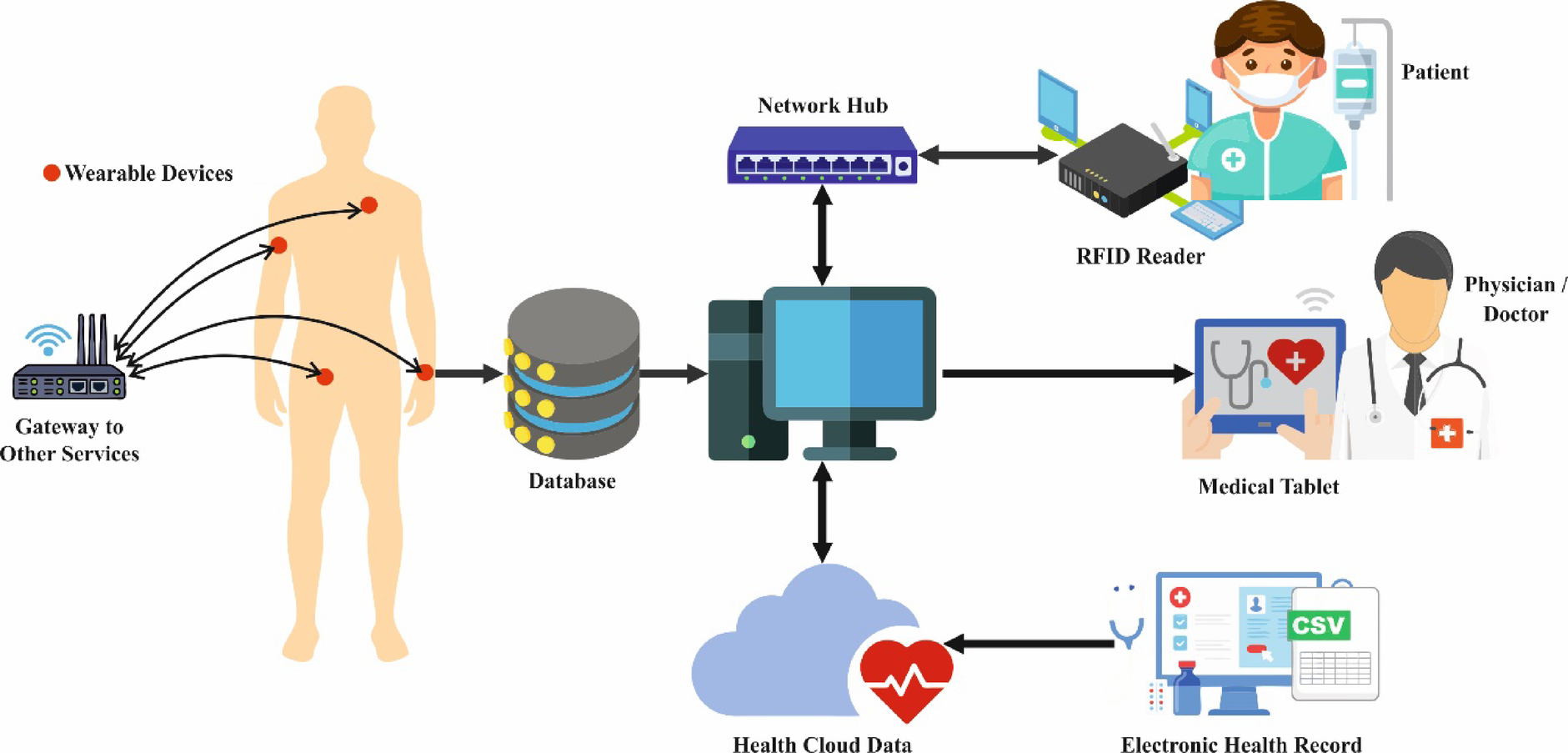
AI-driven anomaly detection tools can provide continuous monitoring of access patterns within the data center environment. This means they can swiftly identify and flag any deviations or suspicious activities. Some of these tools can also take defensive action without direct instruction from a human operator.
Boosting existing security tools
Advanced security equipment, coupled with intelligent AI algorithms, ensures comprehensive coverage of the expanding attack surface. This not only includes safeguarding against cyber-attacks but also addressing physical security concerns, making automated security measures a holistic and robust defence mechanism.

Improving overall performance
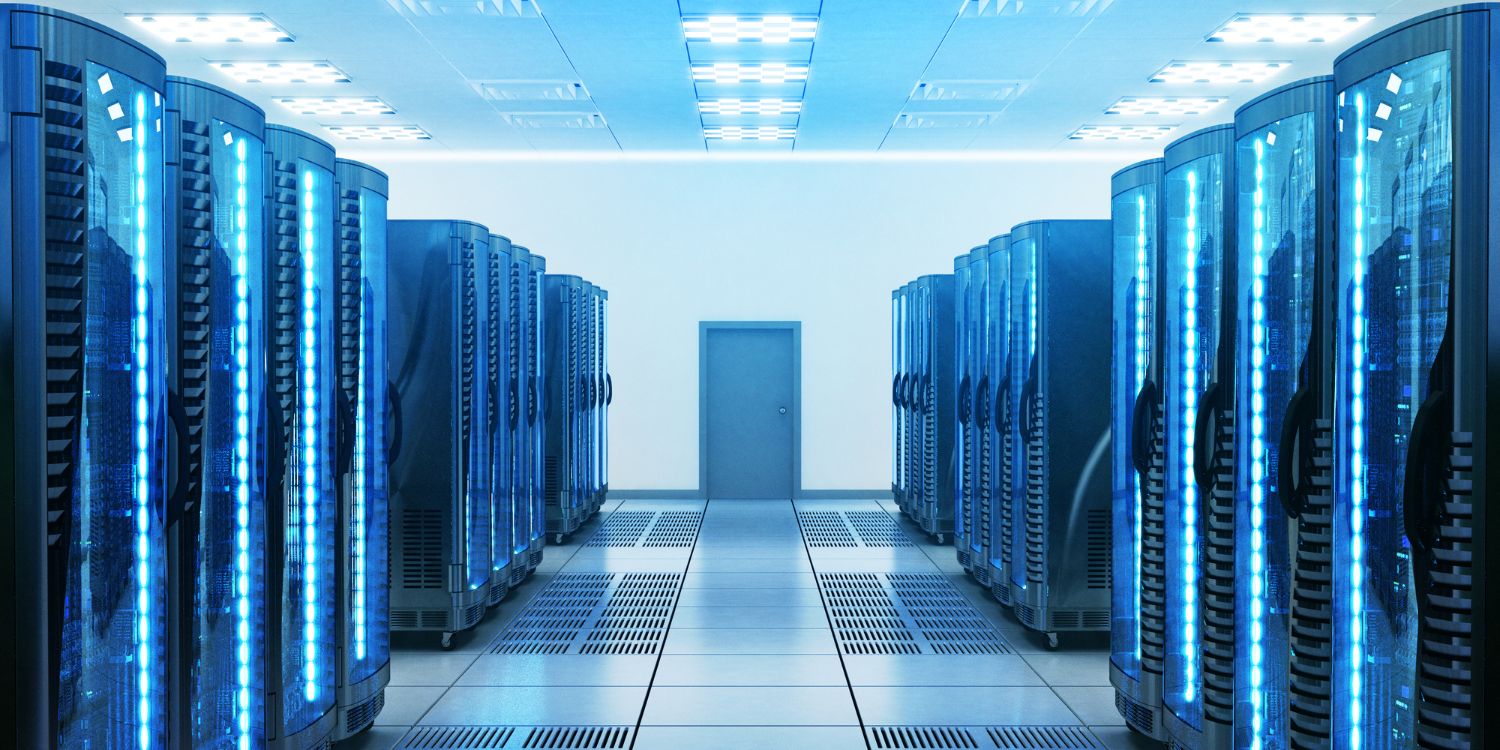
Automated security measures not only strengthen the resilience of data centers against cyber threats but also contribute to minimizing response times, reducing the risk of data breaches, and bolstering overall operational continuity. As data centers become more complex and interconnected, the role of automated security measures becomes increasingly pivotal in safeguarding critical infrastructure.
Machine learning applications
Machine learning (ML) applications have become instrumental in optimizing data center operations, improving efficiency, and ensuring the longevity of critical infrastructure. Two key areas where ML demonstrates profound impact are asset performance management (APM) and capacity management and planning.

Asset performance management

In asset performance management, ML algorithms play a pivotal role in extending the usable life of data center assets. By proactively detecting and fixing operating parameters that may reduce an asset’s usability, ML ensures that equipment operates optimally. It therefore minimizes downtime and maintenance costs.
ML models also predict maintenance needs based on an asset’s operating conditions, shifting from scheduled to predictive maintenance to enhance cost-effectiveness and improve overall reliability.
Role of AI in Data Center operations: efficiency and beyond

The Uptime 2024 survey cited above mentions the three top reasons why data center operators are deploying AI include:
- Improving facility efficiency (58%)
- Reducing human error (55%)
- Improving staff productivity (45%)
Additionally, the organization’s 2023 report disclosed data center efficiency as a top concern, with a key focus on energy efficiency: 88% of respondents mention “IT or data center power consumption” as a priority in reporting.
Operational efficiency in AI data centers is rightly given due importance: it represents a key concern for data centers considering the need to avoid downtime, decrease costs and minimize the infrastructure’s environmental impact.
As such, the AI data center is expected to leverage these advanced algorithms to achieve improvements in the following areas:
- Energy efficiency and cooling optimization via dynamic cooling adjustments. For instance, Google has reported the application of their AI model DeepMind has allowed a 40% reduction in cooling energy.
- Automation of operations including resource allocation and dynamic load balancing, so that resources are scaled automatically according to peak usage and off-peak times.
- Predictive maintenance thanks to the combination of real-time monitoring, historical data and machine learning.
- Real-time anomaly detection, thus enhancing security.
- Enhanced data protection measures.
Data center design and layout that prioritizes efficiency.
Benefits of AI data centers for owners and operators
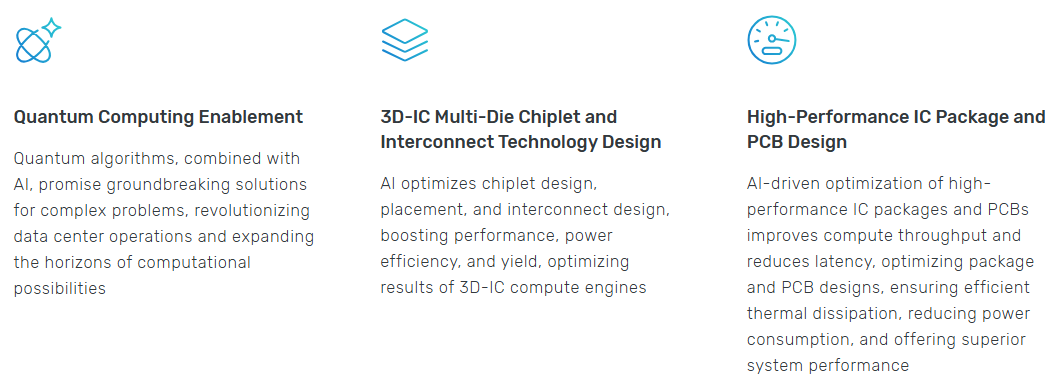
The deployment of AI in data centers has the potential to transform operations within these infrastructures and help ease some of the challenges faced by the industry. As such, the resulting benefits apply to both data center operators and the businesses that require their services, and include:
- Boosting data center cooling best practices, thus improving overall energy efficiency
- Facilitating operational cost reductions
- Reduced maintenance costs thanks to predictive maintenance
- Improved power usage effectiveness (PUE)
- Reduced downtime
- Improved services and lower costs for clients
- Enhanced data center security